

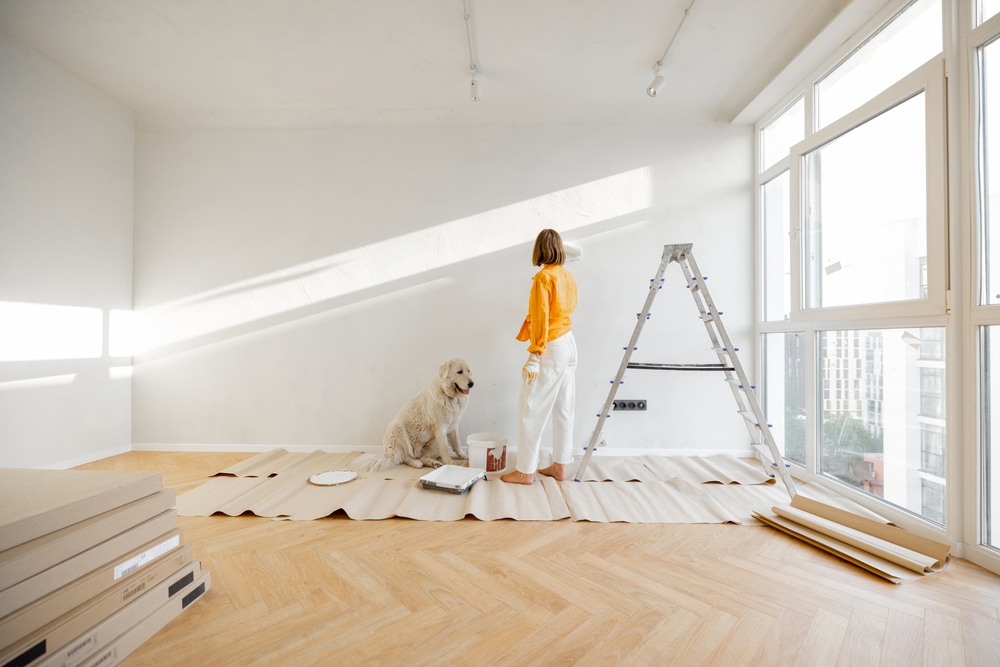
Giving a room a fresh coat of paint is one of the simplest and most effective ways to transform a space. A new colour can brighten up a living room, make a bedroom feel cozier, or create a modern look for a home office. While painting may seem intimidating, with the right preparation, tools, and techniques, you can achieve professional-looking results without hiring a painter.
This DIY guide will walk you through each step of painting a room, from preparation to clean-up.
Step 1: Plan Your Project
Before you open a paint can, take some time to plan:
- Choose Your Colour: Consider lighting, room size, and furniture when picking a colour. Light colours make small rooms feel bigger, while darker shades create a cozy or dramatic atmosphere.
- Decide on Paint Finish:
- Matte/Flat: Hides imperfections, ideal for ceilings.
- Eggshell/Satin: Smooth, low-sheen finish for living areas and bedrooms.
- Semi-Gloss/Gloss: Durable and easy to clean, great for kitchens, bathrooms, and trim.
- Measure Your Walls: Estimate how much paint you’ll need. One litre usually covers around 10–12 square metres per coat.
Step 2: Prepare the Room
Proper preparation is key to a smooth, long-lasting finish:
- Clear the Room: Remove furniture or move it to the centre and cover with drop cloths.
- Protect Floors and Fixtures: Use painter’s tape along skirting boards, window frames, door edges, and light switches. Cover floors with plastic sheets or old sheets.
- Clean the Walls: Dust, grease, or dirt can prevent paint from adhering properly. Wipe walls with a damp cloth or mild detergent solution.
- Repair Damages: Fill holes, dents, or cracks with spackle. Sand smooth once dry.
- Prime if Necessary: Primer helps paint stick, especially on new drywall, patched areas, or dramatic colour changes.
Step 3: Gather Your Tools
Having the right tools makes the job easier and the results better:
- Paint rollers and brushes (different sizes for walls, corners, and trim)
- Paint trays and liners
- Painter’s tape
- Drop cloths or protective sheeting
- Sandpaper or sanding sponge
- Putty knife for repairs
- Ladder for high areas
- Primer and chosen paint
Step 4: Start with Cutting In
“Cutting in” refers to painting the edges and corners with a brush before using a roller. This includes:
- Corners of walls
- Around windows and doors
- Along ceiling lines
- Around skirting boards and trims
Use smooth, even strokes and avoid overloading your brush to prevent drips.
Step 5: Roll the Walls
Once the edges are painted:
- Pour paint into a tray and load your roller evenly.
- Start from the top of the wall and work in small sections.
- Use a “W” or “M” motion to distribute paint evenly.
- Avoid pressing too hard or overloading the roller to prevent streaks or drips.
Most walls will need two coats for a uniform finish. Allow the first coat to dry completely before applying the second.
Step 6: Paint Trim and Details
After the walls are complete, paint trim, baseboards, and door frames with a small angled brush. Take your time — neat edges make a big difference in the overall look.
Step 7: Clean Up
- Remove painter’s tape while paint is slightly wet to avoid peeling.
- Wash brushes, rollers, and trays with water (for latex paints) or appropriate solvent (for oil-based paints).
- Store leftover paint for touch-ups.
- Dispose of used tape and drop cloths properly.
Step 8: Maintain Your New Paint
Once your room is freshly painted:
- Wipe down walls occasionally to remove dust and smudges.
- Avoid harsh chemicals that could damage the finish.
- Inspect for chips or scratches periodically and touch up as needed.
Tips for a Smooth, Professional Finish
- Work in Good Lighting: Adequate light helps you spot missed spots or streaks.
- Keep a Wet Edge: Paint in sections and maintain a wet edge to avoid lap marks.
- Ventilate the Room: Open windows or use fans to help the paint dry evenly.
- Take Your Time: Rushing leads to mistakes. Allow proper drying time between coats.
The Takeaway
Painting your room yourself can be a fun and rewarding project. With the right preparation, tools, and technique, you can achieve a professional-looking result that transforms your space. Whether you’re updating a bedroom, living room, or home office, DIY painting gives you control over colour, style, and timing — and it can save you money compared to hiring a professional.
✨ Roll up your sleeves, choose your favourite colour, and give your home a fresh new look with a DIY paint project!
